
Company
We are engineers who begin with the business.
Ahum Labs is an engineering and research company working where software, artificial intelligence, people, and operations meet.
We help established organisations introduce new technology without losing the systems, knowledge, and working habits they already depend on.
Vessel certificate information handled through NavCert in production.
Forward Deployed Engineers trained to study an operation before choosing a technology.
Building products and systems for real organisations, not demonstrations.
Time spent inside one organisation studying its industry, systems, and options before building.
The founders
Three founders from different parts of India.
All three once wanted to study at IIT. None did. What felt like failure forced us to find our own way into engineering.
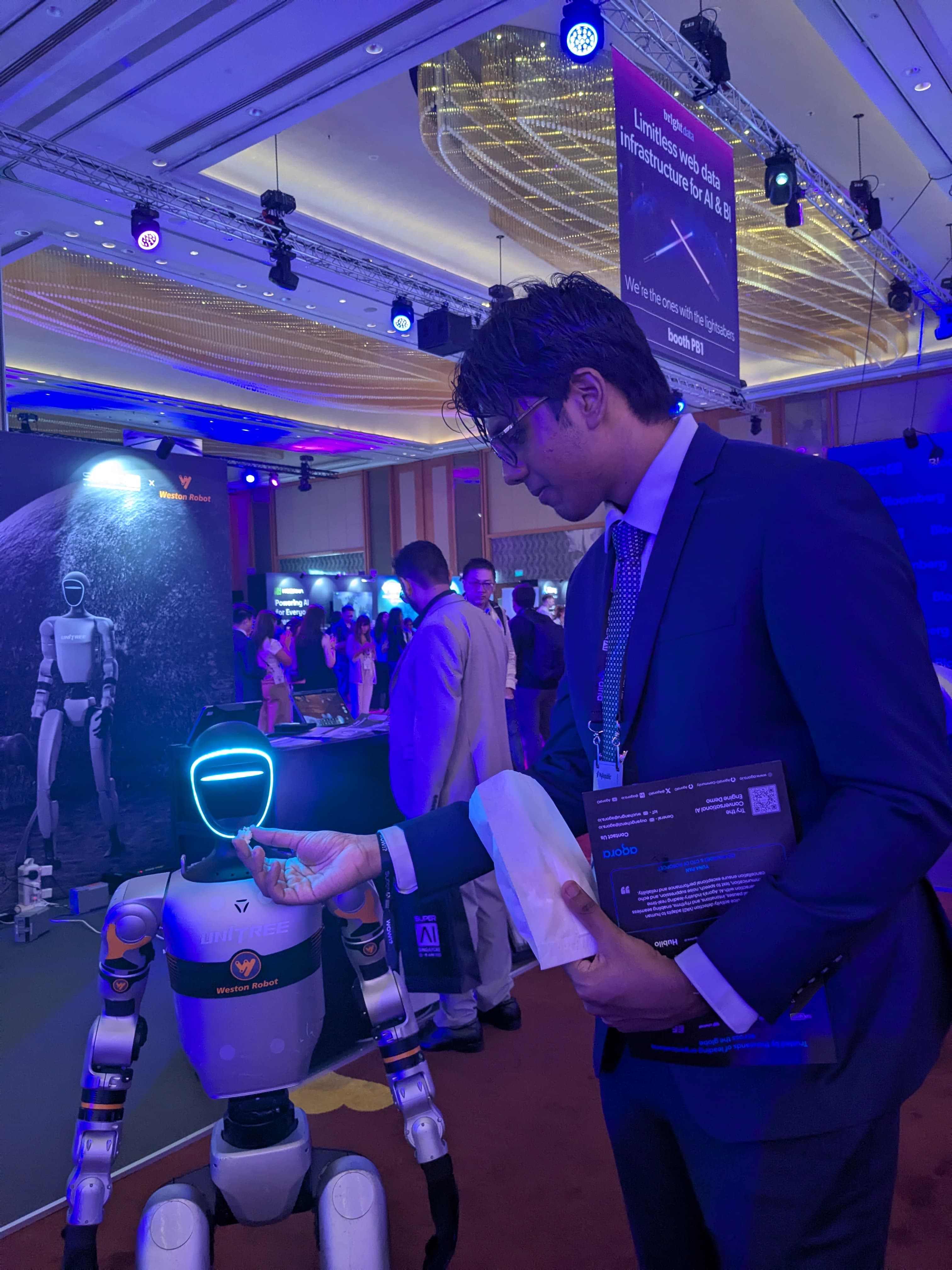 Aadidev Raizada
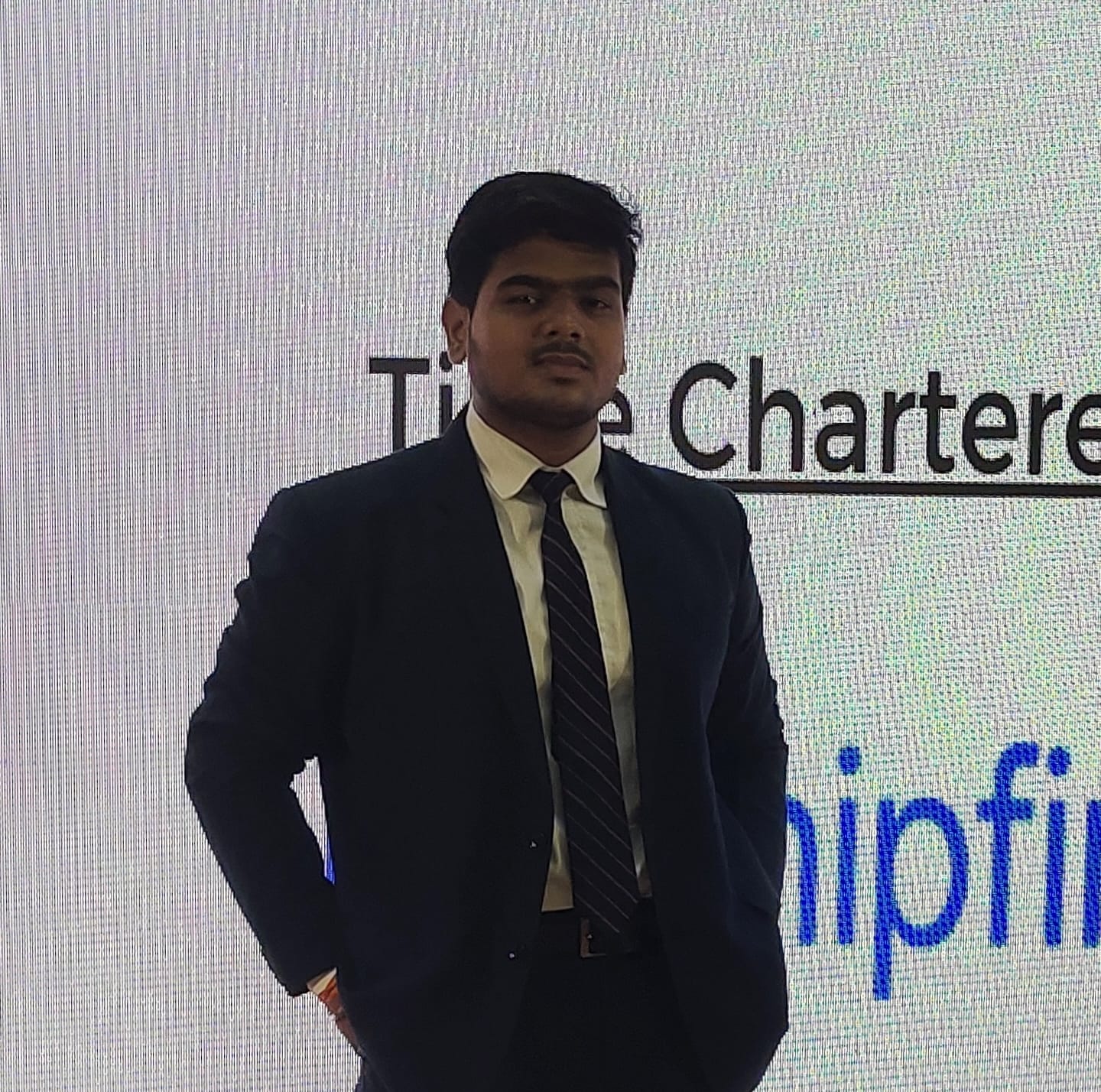 Aryan Mishra
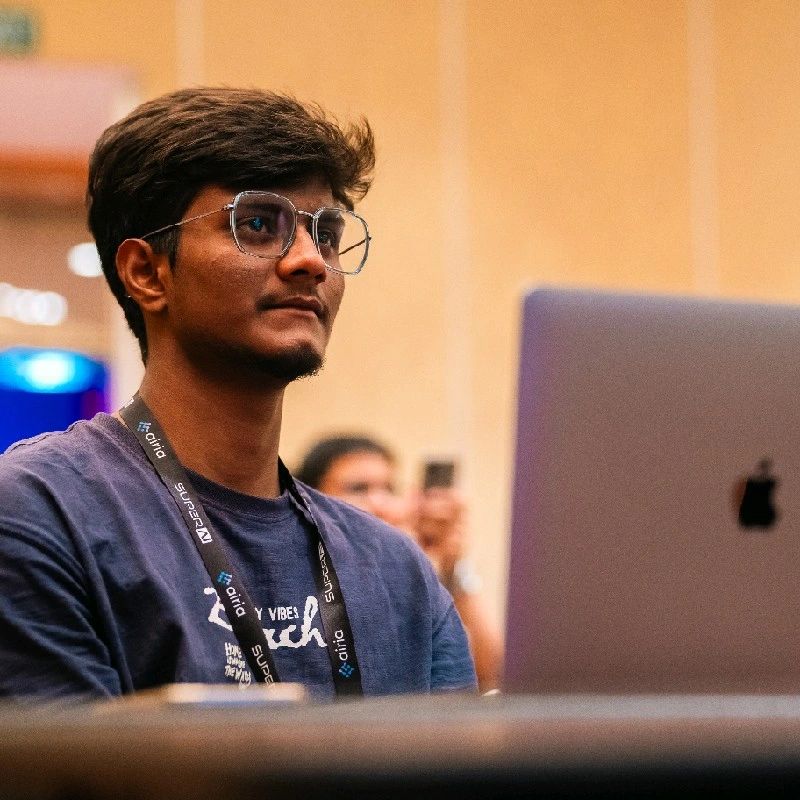 Manish Saw
Advisory Board
Experience that sharpens our judgement.
Our advisors bring perspective from maritime leadership, enterprise technology, professional learning, operations, and market development.

Rabindra Sah
Chief Technology Officer, Indian Register of Shipping
Advises Ahum Labs on enterprise technology, engineering leadership, and the realities of introducing new systems into maritime organisations.
LinkedIn
Krishnan Subramaniam
Chief Learning Officer, Transworld Academy · International Chairman, ICS
Brings deep maritime leadership and learning experience, helping us connect technology with the people, knowledge, and standards behind the industry.
LinkedIn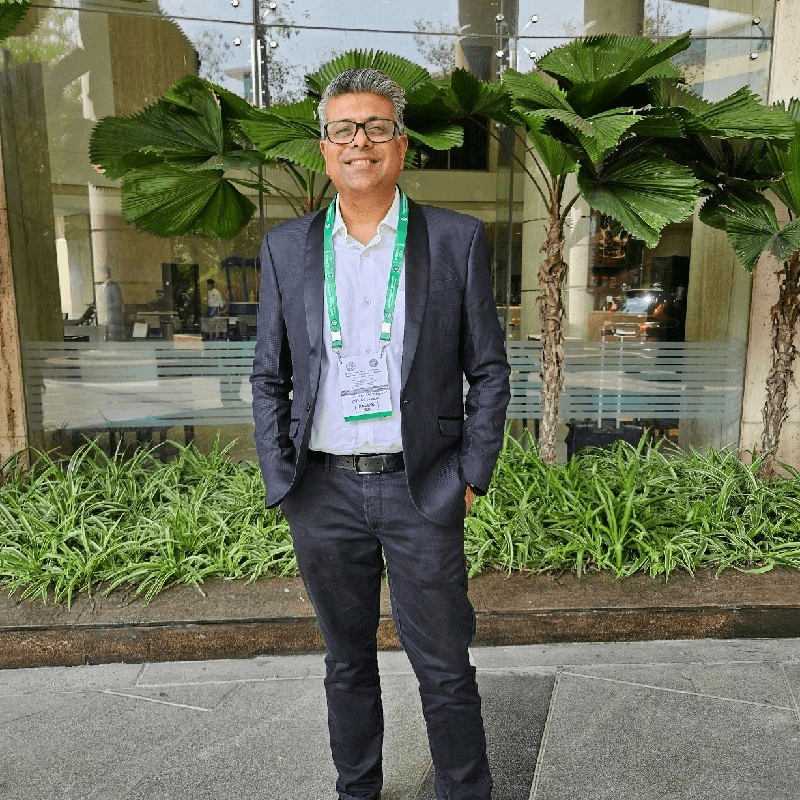
Capt. Anupam Raizada
Co-founder and Director, Offing Group
Guides our understanding of maritime operations, workforce needs, and how technology must perform inside demanding real-world environments.
LinkedIn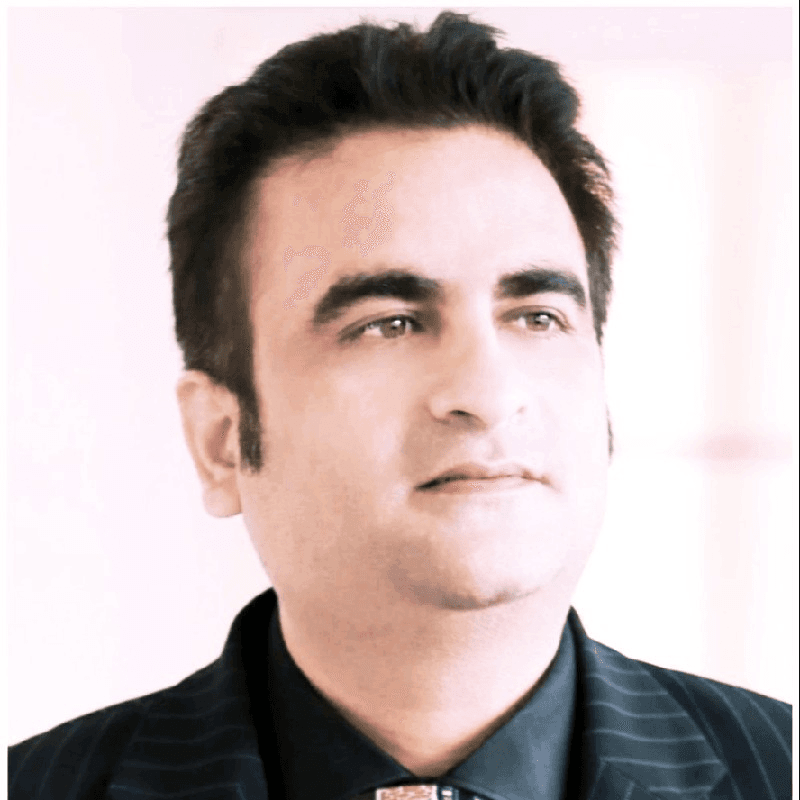
Vijay Tandon
Former Marketing Consultant, South Asia · Magnus Health Management
Advises on market development, executive communication, and translating technical capability into a clear business proposition.
LinkedIn
How Ahum Labs started
We started by building things.
The requirement we received was often not the requirement we eventually solved.
Three founders, three routes into engineering
We did not begin Ahum Labs with a plan to build an AI company. We began by building things.
The three founders came from different parts of India and followed different paths into technology.
One grew up in Jharkhand and was not comfortable speaking English for a long time. Another grew up in Mumbai and explored technology in Malaysia, Dubai, and New York. The third came from a small village in Uttar Pradesh and became curious about how large organisations worked.
All three once wanted to study at IIT. None did.
What felt like failure forced us to find our own way into engineering. We learned by building products, entering hackathons, speaking with people, and walking into unfamiliar rooms before we felt ready.
Learning by building
One of our first international experiences began with a first-ever flight to Singapore for a sponsored conference and hackathon. We finished among the top teams.
Trips became opportunities to learn. In New York, Malaysia, Dubai, and elsewhere, we wanted to understand what interesting people were building.
For nearly three years, we built products, tested new tools, explored emerging models, and competed in international hackathons.
We became good at learning quickly and turning unclear ideas into working software.
Then the problems stopped being written down
But hackathons have one advantage that real businesses do not: the problem is usually written down.
Inside a company, it rarely is.
Our thinking changed when organisations began asking us to solve operational problems.
We entered these companies, spoke with their teams, studied their systems, and tried to understand what they wanted us to build.
We assumed the difficult part would be engineering. It was not.
The difficult part was understanding what the problem really was.
A company might ask for an application when the actual problem was a broken hand-off between teams.
It might ask for AI when its information was scattered across emails, spreadsheets, old software, and the memories of experienced employees.
It might ask to replace a system even though replacement would create more risk than keeping it.
What the work actually required
We realised that building software was only one part of the work.
Before writing code, someone had to understand how the company made decisions, where time was being lost, which systems could not be disturbed, and how employees actually behaved.
The Microsoft Teams engagement
One engagement made this especially clear. An organisation wanted AI to become part of the way the company worked—not a collection of isolated experiments.
We spent about six weeks studying its industry, tools, workflows, and the available technology.
We reached a simple conclusion: no single model, product, or framework could make a company AI-native.
AI had to be introduced wherever work was already happening.
Most employees managed delegation and coordination through Microsoft Teams. Another application would have created another login, interface, and habit to learn.
So we did not ask them to move. We brought AI into Microsoft Teams.
We created governed AI workers with specific responsibilities, organisational identities, approved tools, controlled access, and clear limits.
Employees continued working in an environment they understood. Intelligence became part of normal work.
The same principle at sea
We followed the same principle in maritime operations.
Complex workflows involved several systems, documents, rules, and actions. A traditional application would have introduced more menus and training.
Employees already knew how to send messages and explain what they needed, so we made natural language the interface.
Software became easier. Business understanding did not.
These projects changed how we thought about software.
Software was becoming faster and easier to build. Understanding a business was not.
A model could write code, read documents, and reason over information. It could not automatically understand why an employee followed an unusual process, which exceptions mattered, who held authority, or what the organisation feared losing.
That knowledge had to be learned inside the company.
Why we built Ahum Labs around Forward Deployed Engineering
A Forward Deployed Engineer can build software, but does not begin with code. They begin with the company.
They learn how the business creates value. They observe how employees work. They understand the systems, constraints, responsibilities, and exceptions.
They research the possible approaches. Then they build and remain involved until the system works in the real operation.
Today, we have trained a growing team of Forward Deployed Engineers around this way of working.
How we still begin
We are still learning from every organisation we enter, but the way we begin remains the same.
We speak with the people doing the work. We study the systems they depend on. We find the constraint that matters.
Then we build the smallest useful intervention. When it works, we expand.
That is how Ahum Labs started. It is still how we work today.
We understand the business before we build the system.
What we hold to
Three sentences we do not compromise on.
- 01Context before code.
- 02Adoption before scale.
- 03Business outcomes before technology.
Judgement
Serious engineering begins with good judgement.
What we choose not to do shapes the result as much as what we build.
We do not begin with a sales demonstration
We begin with the people and process behind the problem.
We do not use AI everywhere
We use it where it improves the result.
We do not force immediate replacement
We can initially work around the systems the organisation already depends on.
We do not disappear after deployment
We remain involved through adoption, measurement, and improvement.
We do not hide the trade-offs
We explain the possible approaches before recommending one.
We do not separate engineers from the customer
The people understanding the problem remain closely involved in building the intervention.
Careers
We train Forward Deployed Engineers.
We are a small team and we hire slowly. We are not looking for people who want a specification handed to them. We are looking for engineers willing to sit inside an unfamiliar operation, ask uncomfortable questions, and stay until the result is visible.
We do not maintain a list of open positions. If this is the work you want to do, write to us and describe a system you built and what you learned about the business behind it.
- 01
Engineering
The ability to build reliable systems.
- 02
Business understanding
The ability to connect technology with cost, time, risk, capacity, and growth.
- 03
Communication
The ability to work clearly with people across the organisation.
- 04
Practical judgement
The ability to know what to build, what to integrate, and when not to use AI.
Do not begin with a software requirement.Begin with the work that is not working.
Tell us where people lose time, information becomes difficult to find, decisions slow down, employees repeat the same work, or an existing system holds the organisation back.
We will study the operation before deciding what should be built.